Technická příprava výroby
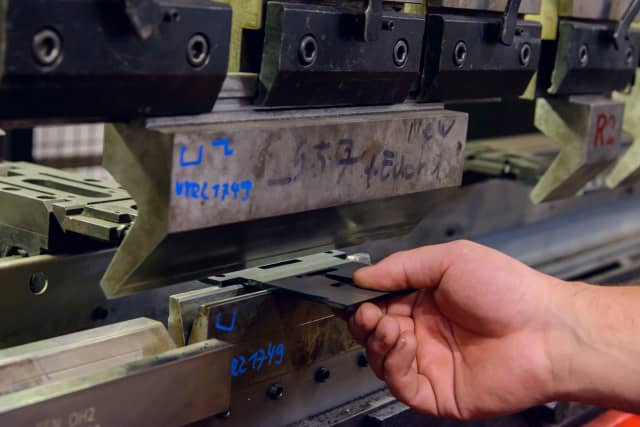
Technickou přípravou výroby (TPV) rozumíme detailní technologické postupy a činnosti předcházející výrobě objednaného komponentu.


Another way of working with metals is to weld them. The essence of welding is to create a firm connection between two different metal components.
We weld every day at CENTES. We focus on welding parts made from steel, stainless steel, and aluminium alloys. Local companies, major engineering companies, construction companies, large automotive and aerospace companies from around the world trust us.
All components that need to be connected are welded by oxy-fuel welding, spot welding and by MIG, MAG and TIG welding. Our work does not end with welding. We can further process welded components. You can also request CNC machining and painting components.

We have been joining metals by welding at CENTES from the very beginning.
Our experienced welders ensure high-quality:
Oxy-fuel welding is one of the oldest fusion welding methods. This is also occasionally called autogenous welding. A mixture of acetylene and oxygen is most often used for oxy-fuel welding. This mixture reaches a flame temperature of up to 3200 °C in the right ratio, which is also sufficient for welding steel. Hydrogen or propane can also be used for oxy-fuel welding. However, the flame temperature is lower.
We usually use oxy-fuel welding for steel parts, but this method can also be used for soldering (both steel and non-ferrous metals, but also silver, for example) and oxy-fuel cutting. However, oxy-fuel welding is relatively demanding. This requires great skills on the welder’s part, who must heat the welded surfaces of the base material with a torch in one hand and add welding wire to the weld pool with the other hand. Therefore, we do not perform it as often as other welding methods. In accordance with our Code of Conduct, we pay maximum attention to operational safety in regard to oxy-fuel welding. When working, we always protect ourselves with suitable protective equipment.

Due to the demands on the welder’s skills, oxy-fuel welding is one of the most demanding welding methods. This method can also be used for steel welding, soldering, and cutting.
Contact us!
Spot welding is the most commonly used type of resistance welding. It is used for joining two superimposed materials, e.g., steel sheets, joining wires into netting, etc. In spot welding, the joined materials are pressed together by two electrodes, where an electric current passes through. We provide both direct and indirect spot welding.
We usually use electrodes made from copper, cobalt and cadmium alloy, copper, silver and cadmium or copper, nickel, and silicon. The main advantage of spot welding is the high strength of welds, which are about the size of electrodes. Spot welding is mostly used in series production, e.g., in bodywork production, and in small series operations. That is why we mostly weld steel parts for the French car company s.n.o.p. We are happy to weld what you need.

Spot welding is the most widely used type of resistance welding. It is used to weld thin sheets and connect wires into grilles in the automotive industry.
Contact us!
We also provide arc welding with a melting electrode in a protective atmosphere. However, our customers know it and demand it simply as MIG/MAG welding. Both welding methods differ from each other by the shielding gases used. We weld in the shielding inert (MIG) gas or active (MAG) gas. There is also a difference in additional materials.
The biggest advantage of the welding method with a melting electrode in a protective atmosphere is the semi-automatic mode for feeding additional material (welding wire). Thanks to it, we can more easily create a weld bead and control a weld pool. This type of welding is extremely popular among our customers. We also provide TIG welding with the help of a non-melting electrode and shielding inert gas.
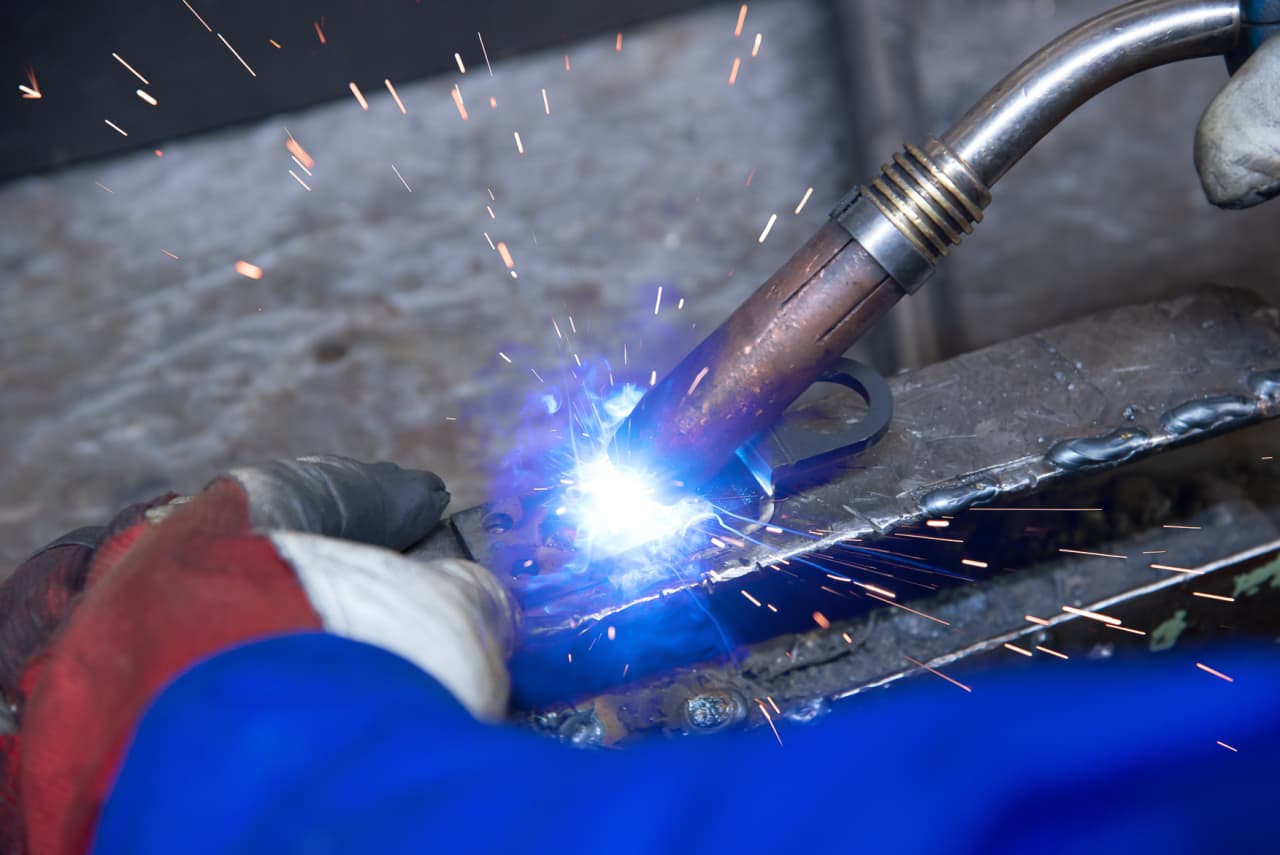
We know that any finished product is only as good as its weakest part. That is why we consider that there is no difference between welding for a small family business and TGV.
We use the following welding methods:
Jsme česká rodinná firma
Máme tradici od roku 1991
Zaměřujeme se na malo- a středněsériovou výrobu
Kvalita zaručena díky certifikaci ISO 9001:2008
Finanční stabilita díky TOP ratingu
Jsme schopni dodat komplexní subdodávku
Pracujeme se sofistikovaným systémem KARAT
Zajistíme vnitrostátní a mezinárodní dopravu
Technickou přípravou výroby (TPV) rozumíme detailní technologické postupy a činnosti předcházející výrobě objednaného komponentu.

Třískovým obráběním rozumíme opracování kovového obrobku pomocí obráběcího nástroje. Při třískovém obrábění vzniká kovová tříska.

Beztřískové metody obrábění nevyužívají úběru materiálu pomocí mechanické práce. Na rozdíl od třískového obrábění při nich nevzniká prakticky žádná tříska.

Lakování je závěrečnou fází povrchové úpravy kovů. V naší moderní lakovně zajišťujeme práškové i mokré lakování dodaných komponent.

Nezaměřujeme se výhradně na kovoobrábění. Aby naši zákazníci nemuseli kvůli elektrovýrobě a montážím jinam, nabízíme pro ně i tyto služby.
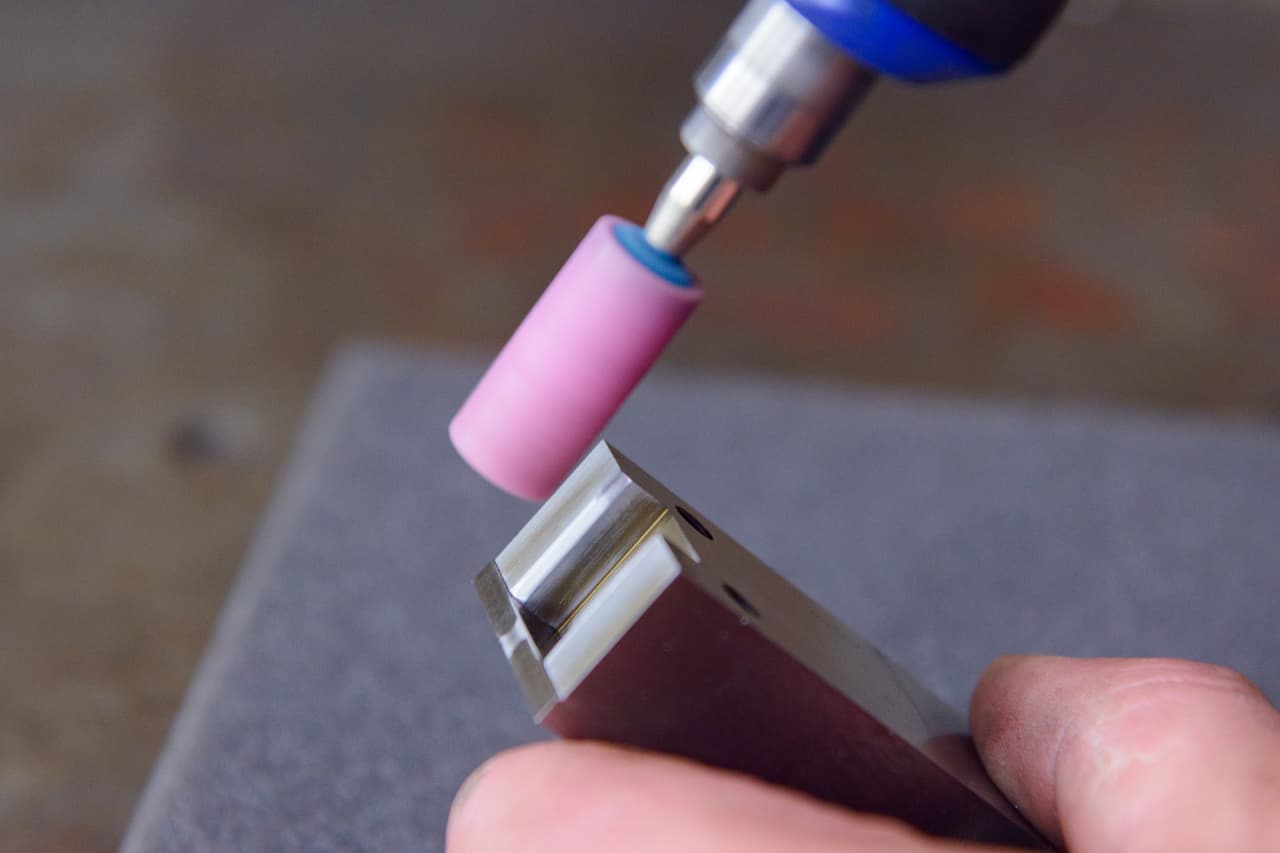
Umíme vyrobit i speciální střižné nástroje pro zpracování plechu na hydraulických nebo ručních lisech. Potřebujeme k tomu jen výkresovou dokumentaci.